
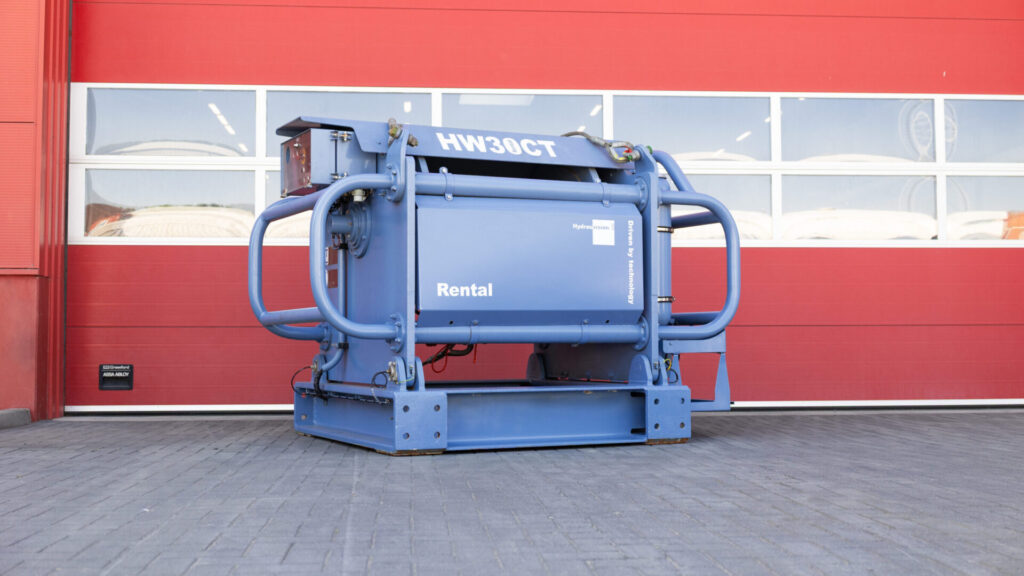
For most hydraulic winch systems, a mineral-based hydraulic oil with an ISO VG 46 viscosity grade is the standard recommendation. This grade balances film strength, flow at low temperatures, and heat resistance across the broad range of conditions winches typically encounter. The right hydraulic fluid depends on your operating environment, the winch manufacturer’s specifications, and whether sustainability requirements apply to your application. The sections below address the most common questions around hydraulic fluid selection, viscosity, fluid types, and maintenance intervals.
What happens if you use the wrong hydraulic fluid in a winch?
Using the wrong hydraulic fluid in a winch system can cause accelerated wear, seal degradation, overheating, and ultimately system failure. The wrong fluid disrupts the lubrication film between moving components, causes seals to swell or shrink, and can lead to cavitation in the hydraulic pump, all of which reduce performance and shorten the service life of the system.
The consequences vary depending on what is wrong about the fluid. A fluid with too low a viscosity drains away from surfaces under pressure, leaving metal-on-metal contact. A fluid that is too viscous creates excessive flow resistance, raises operating temperatures, and increases energy consumption. A fluid that is chemically incompatible with the system’s seals (for example, a synthetic ester used where only mineral oil is specified) can cause seals to swell or dissolve over time, leading to internal and external leaks.
In offshore or marine winch applications, the stakes are higher still. A winch operating under high load cycles with degraded fluid risks not just mechanical failure but operational downtime in environments where repairs are difficult and costly. Always verify fluid compatibility with both the winch manufacturer’s specifications and the hydraulic power unit before filling or topping up.
What viscosity grade is recommended for hydraulic winch systems?
ISO VG 46 is the most widely recommended hydraulic fluid viscosity grade for winch systems operating in temperate to warm conditions. For cold-climate or offshore applications where ambient temperatures drop significantly, ISO VG 32 is often preferred. Some heavy-duty winches operating under continuous high loads may call for ISO VG 68.
The ISO VG (Viscosity Grade) number refers to the fluid’s kinematic viscosity at 40°C, measured in centistokes (cSt). ISO VG 46 has a viscosity of approximately 46 cSt at 40°C, making it fluid enough to flow readily at start-up while maintaining adequate film strength under operating pressure and temperature.
Most hydraulic winch manufacturers specify an acceptable viscosity range rather than a single grade, commonly between 25 and 100 cSt at operating temperature. The goal is to keep the fluid within that window across the full range of expected temperatures. If your winch operates in variable environments (for example, a vessel moving between tropical and Arctic waters), selecting a fluid with a high Viscosity Index (VI) helps maintain consistent performance across that range.
Tell us what you need and request a quote for HydrauPack, HydrauWinch, HydrauSupport or another rental solution.
What’s the difference between mineral oil, synthetic, and biodegradable hydraulic fluids?
Mineral hydraulic oil is refined from crude oil and is the most common fluid type used in winch systems. Synthetic hydraulic fluids are engineered from chemical compounds for enhanced performance at temperature extremes. Biodegradable hydraulic fluids, typically vegetable-oil-based esters or synthetic esters, are designed to break down safely in the environment and are required in ecologically sensitive applications.
Mineral hydraulic oil
Mineral oil is cost-effective, widely available, and compatible with the seals and materials used in most standard hydraulic components. It performs well across the typical operating range of industrial and maritime winches and is the baseline against which other fluid types are compared. The main limitation is its environmental impact in the event of a spill and its relatively narrower effective temperature range compared to synthetics.
Synthetic hydraulic fluids
Synthetic fluids, including polyalphaolefins (PAO) and polyalkylene glycols (PAG), offer superior thermal stability, a higher Viscosity Index, and better performance at very low or very high temperatures. They are used in demanding applications where mineral oil would degrade too quickly or fail to flow adequately at start-up. However, they are more expensive and may require specific seal materials, so compatibility checks are important before switching.
Biodegradable hydraulic fluids
Biodegradable fluids, such as HEES (synthetic ester) or HETG (vegetable oil) grades, are required in applications near water, protected natural areas, or where environmental regulations mandate low ecological impact. Many offshore and port-based winch operations now specify biodegradable fluid as standard. These fluids generally have good lubrication properties but may be more sensitive to water contamination and have shorter service intervals than mineral oil.
How does operating environment affect hydraulic fluid choice for winches?
The operating environment directly shapes which hydraulic fluid is appropriate for a winch system. Temperature range, exposure to water, regulatory requirements, and load cycle intensity all influence the decision. There is no single universal fluid: the right choice is always application-specific.
In cold environments, such as Arctic offshore operations or northern European winters, fluid must remain pumpable at low ambient temperatures without causing cavitation at start-up. A lower ISO VG grade or a high-VI synthetic fluid handles this better than a standard mineral oil. In hot environments or under sustained heavy loads, a higher-viscosity fluid maintains the protective film on pump and motor internals.
Water exposure is another important factor. Winches operating in marine environments are more likely to experience water ingress into the hydraulic system. Some fluids handle water contamination better than others: mineral oils with good demulsibility separate from water readily, while certain synthetic fluids may emulsify. Regular fluid sampling and analysis help detect water contamination early before it causes damage.
Regulatory environment also matters. Operations in environmentally sensitive zones (harbors, estuaries, protected offshore areas) often require biodegradable hydraulic fluid by law or by client specification. Hydraulic winch systems deployed in these zones must be filled with an approved biodegradable grade before mobilization.
How often should hydraulic fluid be changed in a winch system?
Hydraulic fluid in a winch system should typically be changed every 2,000 to 4,000 operating hours, or at least once a year, whichever comes first. The exact interval depends on the fluid type, operating conditions, and the results of regular fluid analysis. High-intensity or contamination-prone applications warrant shorter intervals.
Fluid condition deteriorates through oxidation, thermal degradation, contamination with water or particles, and additive depletion. A fluid that looks clean to the eye may already be outside acceptable limits for viscosity, acid number, or particle count. This is why fluid sampling and laboratory analysis, rather than time alone, is the most reliable way to determine when a change is needed.
For winches used intermittently, such as rental units deployed project by project, it is good practice to change the fluid between major deployments or after any incident involving suspected contamination. Filters should be inspected and replaced according to the manufacturer’s schedule, as a clogged filter is bypassed, allowing contaminated fluid to circulate freely through the system.
Can different hydraulic fluids be mixed in a winch system?
Mixing different hydraulic fluids in a winch system is not recommended and should be avoided wherever possible. Mixing fluids of different base stocks (for example, mineral oil with a synthetic ester) can cause additive interactions, reduced lubrication performance, seal incompatibility, and accelerated fluid degradation. Even mixing two mineral oils from different manufacturers can cause problems if their additive packages are incompatible.
In practice, the most common mixing scenario occurs during a top-up when the original fluid is unknown or unavailable. If mixing is unavoidable in an emergency, use a fluid of the same ISO VG grade and the same base type (mineral-to-mineral, for example), and plan a full fluid flush and change as soon as operationally possible.
Never mix biodegradable fluids with mineral oil. Beyond performance issues, doing so typically voids the environmental classification of the biodegradable fluid, which can create regulatory and liability problems in sensitive operating zones. When converting a system from mineral oil to biodegradable fluid, a thorough flush is required to remove residual mineral oil before the new fluid is introduced.
How Hydrauvision supports hydraulic winch fluid management
Selecting and maintaining the right hydraulic fluid is part of keeping a winch system performing reliably over its full service life. We support clients throughout that process with the following:
- Expert fluid selection advice based on your specific winch type, operating environment, and regulatory requirements
- Preventive maintenance programs that include regular fluid sampling, analysis, and timely fluid changes before degradation causes damage
- Emergency repair and fluid flushing services when contamination or fluid mixing has occurred
- Rental winches that arrive pre-configured, tested, and filled with the correct fluid for your application, including biodegradable options for environmentally sensitive operations
- 24/7 support from offshore-certified mechanics with hands-on experience across a wide range of hydraulic winch systems
Whether you are specifying fluid for a new installation, troubleshooting a system issue, or planning a maintenance schedule, we are ready to help. Contact us to discuss your hydraulic winch application and get practical guidance from our team.