
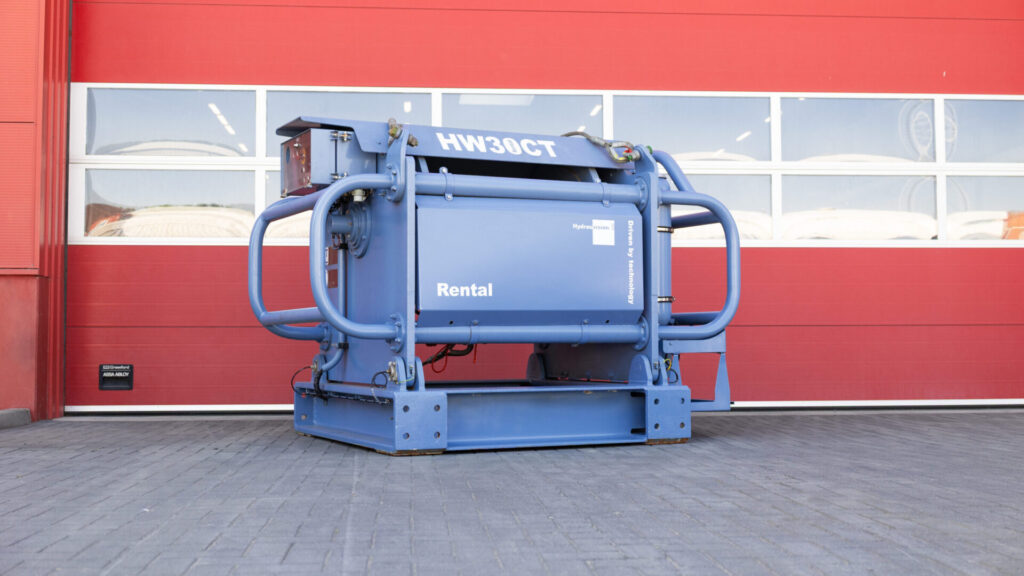
Temperature directly affects hydraulic winch performance by changing the viscosity of the hydraulic fluid, which in turn alters flow rates, pressure efficiency, and the mechanical response of the entire drive system. Both extreme heat and extreme cold create operational problems: overheating thins the oil and causes leakage and wear, while cold temperatures thicken it and restrict flow. Understanding how temperature influences your hydraulic system helps you prevent damage, reduce downtime, and keep winch operations running safely across varying conditions.
What happens to hydraulic fluid viscosity when temperature changes?
Hydraulic fluid viscosity decreases as temperature rises and increases as temperature drops. Viscosity describes a fluid’s resistance to flow, and it is the single most temperature-sensitive property in any hydraulic system. When oil becomes too thin or too thick, the entire system, including pumps, valves, cylinders, and motors, struggles to operate within its designed parameters.
Every hydraulic fluid has a viscosity index rating that indicates how much its thickness changes across a temperature range. A high viscosity index means the fluid maintains more consistent behavior across a wide range of temperatures, which is particularly important for hydraulic winch systems operating in variable environments such as offshore or arctic locations. Choosing a fluid with the right viscosity index for your operating conditions is one of the most straightforward ways to protect system performance.
Most hydraulic systems are designed around a target viscosity range. When fluid moves outside that range, in either direction, efficiency drops, components wear faster, and the risk of failure increases. This is why hydraulic oil viscosity and temperature management are closely linked in any well-engineered drive system.
How does high temperature affect hydraulic winch operation?
High temperature causes hydraulic fluid to thin out, reducing its ability to maintain a lubricating film between moving parts and allowing internal leakage past seals and valve spools. As fluid becomes less viscous, pumps and motors lose volumetric efficiency, meaning they move less fluid per revolution and deliver less torque and pulling force at the winch drum.
Beyond reduced performance, hydraulic winch overheating accelerates component wear in several ways. Thin oil fails to separate metal surfaces effectively, increasing friction and heat generation further, a cycle that compounds quickly under load. Seals and O-rings degrade faster when exposed to sustained high temperatures, eventually leading to external leaks that are both a safety concern and a maintenance cost.
Prolonged overheating also degrades the hydraulic fluid itself. Oil oxidizes at elevated temperatures, forming varnish and sludge deposits that clog filters, restrict flow through valves, and reduce the lifespan of every component in the circuit. In demanding applications such as offshore lifting or heavy industrial winching, uncontrolled fluid temperature is one of the leading causes of unplanned system downtime.
Tell us what you need and request a quote for HydrauPack, HydrauWinch, HydrauSupport or another rental solution.
How does cold temperature affect hydraulic winch performance?
Cold temperatures thicken hydraulic fluid, increasing its viscosity well beyond the system’s designed operating range. This makes the fluid harder to pump, slows response times, and places significant mechanical strain on pumps and motors during startup. In very cold conditions, a winch may respond sluggishly or fail to develop full load capacity until the fluid warms up.
Winch performance in cold weather is a practical concern for any operation in northern climates, high-altitude environments, or outdoor winter conditions. When oil is too viscous, pumps can cavitate, drawing in air bubbles because the fluid cannot flow fast enough to fill the pump inlet. Cavitation causes noise, vibration, and rapid internal wear that shortens pump life considerably.
Cold-start procedures matter significantly here. Running a hydraulic winch system at low load for several minutes before applying full working load allows the fluid to warm up and reach a workable viscosity. Using a hydraulic oil grade formulated for low-temperature operation, typically with a lower pour point and higher viscosity index, reduces cold-start risks and protects components during the warm-up phase.
What is the ideal operating temperature range for a hydraulic winch system?
The ideal operating temperature for most hydraulic winch systems falls between 40°C and 60°C (104°F to 140°F) measured at the reservoir. Within this range, standard mineral-based hydraulic oils maintain the viscosity needed for efficient pump and motor operation, adequate lubrication, and reliable seal performance. Operating consistently above 80°C (176°F) significantly accelerates wear and fluid degradation.
The lower boundary is equally important. Below approximately 20°C (68°F), many standard hydraulic fluids become viscous enough to cause sluggish operation, and below 0°C (32°F), cold-weather-specific fluids or pre-heating systems are often necessary. The exact thresholds depend on the fluid specification selected for the system and the viscosity grade chosen for the application.
For winch systems deployed in variable or extreme environments, such as offshore platforms, arctic work sites, or tropical industrial facilities, the target operating range should be defined during the engineering phase and matched to both the fluid selection and the thermal management design of the hydraulic power unit.
How do hydraulic winch systems manage and control fluid temperature?
Hydraulic winch systems control fluid temperature through a combination of heat exchangers, thermostatic bypass valves, reservoir sizing, and, in cold climates, pre-heating systems. These components work together to keep the hydraulic fluid within its optimal viscosity range regardless of ambient conditions or load cycles.
Cooling systems
Oil-to-water or oil-to-air heat exchangers are the most common cooling method. Water-cooled exchangers are typical in marine and offshore applications where seawater or freshwater cooling circuits are available. Air-cooled radiators suit land-based or mobile systems. Thermostatic valves bypass the cooler when fluid is cold, allowing the system to warm up efficiently before cooling takes effect.
Heating systems
In cold environments, electric immersion heaters installed in the reservoir bring fluid up to a workable temperature before startup. Some systems use thermostatically controlled heaters that maintain a minimum fluid temperature during standby periods, preventing the thick-oil problems associated with cold starts. Insulating the reservoir and hose runs also reduces heat loss in low-ambient-temperature conditions.
What are the signs that temperature is damaging a hydraulic winch?
The most common signs that temperature is damaging a hydraulic winch system include sluggish or erratic movement, reduced pulling force under load, unusual noise from the pump, visible oil leaks at seals and fittings, and discolored or foul-smelling hydraulic fluid. Any of these symptoms warrants immediate investigation before continuing operation.
Overheating signs are often easier to spot. A system temperature gauge reading above 80°C, oil that smells burnt, or a reservoir that is hot to the touch all indicate the cooling capacity is insufficient for the current load cycle or ambient conditions. Seals that have begun to weep oil externally are a strong indicator that sustained high temperatures have already caused material degradation.
Cold-related damage is more subtle but equally serious. Excessive noise during startup, particularly a whining or rattling from the pump, suggests cavitation caused by overly viscous fluid. Slow response from the winch controls, pressure relief valves opening prematurely, or filter differential pressure alarms triggered at startup all point to cold-temperature viscosity problems that need to be addressed through fluid selection or pre-heating measures.
Monitoring hydraulic system temperature continuously during operation is the most reliable way to catch thermal problems before they cause lasting damage. Many modern hydraulic power units include temperature sensors with alarms, and adding this monitoring capability to older systems is a worthwhile investment for any high-duty-cycle winch application.
How we support hydraulic winch performance in any temperature
Managing temperature in a hydraulic winch system requires the right combination of engineering, fluid selection, and monitoring, and that is exactly where we help. Our hydraulic winches are designed and configured to perform reliably across a wide range of operating environments, from tropical offshore platforms to cold northern work sites.
- We select hydraulic fluid grades matched to your specific operating temperature range and duty cycle
- Our power units are engineered with appropriately sized heat exchangers and thermostatic controls to maintain fluid within the optimal range
- For cold-climate deployments, we integrate pre-heating systems and reservoir insulation as standard where needed
- Our rental fleet includes winches ranging from 10 to 80 tons, each configured, tested, and set up in our workshop before mobilization
- We provide 24/7 support and offshore-certified mechanics who understand how thermal conditions affect drive system performance in the field
Whether you need a custom-engineered winch system or a rental unit for a specific project, contact us to discuss your requirements and operating conditions.