
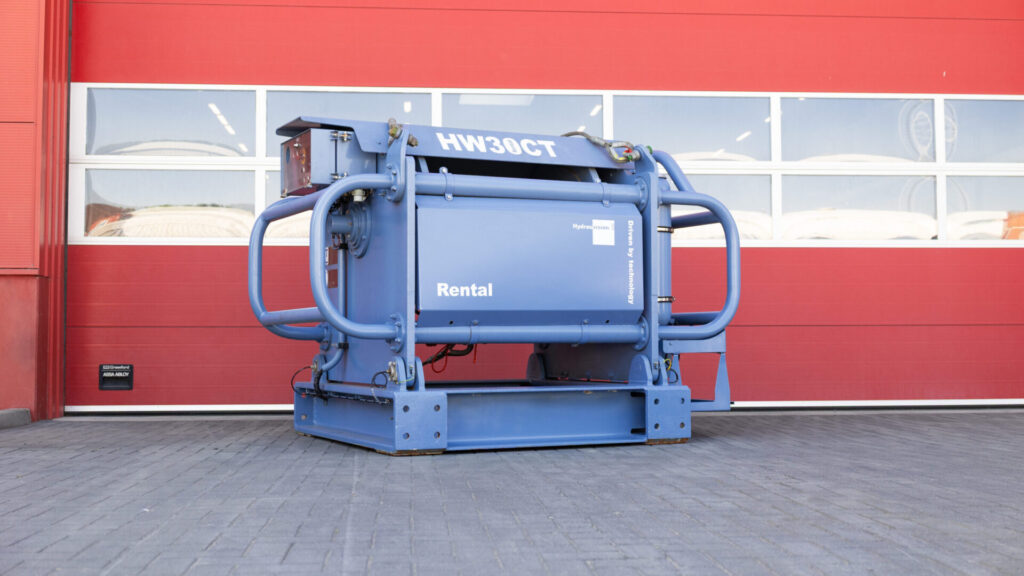
Selecting the right winch wire for a hydraulic winch comes down to matching the wire rope’s diameter, breaking load, material, and construction to the specific demands of your application. The load capacity of your winch, the operating environment, and the drum geometry all determine which wire rope is correct. The sections below answer the most important questions about hydraulic winch wire selection in detail.
What types of wire rope are used on hydraulic winches?
The most common wire rope types used on hydraulic winches are stranded steel wire ropes, typically in 6×19 or 6×36 constructions, and rotation-resistant ropes such as 35×7 or 19×7 configurations. Stranded ropes offer a good balance of strength and flexibility, while rotation-resistant ropes are preferred when the load must not spin freely during lifting or pulling operations.
The construction you choose affects how the rope behaves under load, how it spools onto the drum, and how long it lasts in service. For winches used in offshore and maritime applications, hydraulic winch systems frequently use rotation-resistant ropes to prevent load spin during multi-layer spooling. In industrial and construction settings, standard 6-strand ropes are often sufficient and easier to terminate and replace.
Compacted strand ropes are another option worth considering. The compaction process increases the metallic cross-section, which improves breaking load for a given outer diameter and reduces wear between strands. This makes them a practical choice when drum space is limited but high line pull is required.
How do you calculate the required wire rope diameter and breaking load?
To calculate the required wire rope breaking load, multiply the maximum working load by the applicable safety factor. For most industrial and offshore applications, a minimum safety factor of 4:1 is standard, meaning a winch rated for 10 tonnes requires a wire rope with a minimum breaking load of 40 tonnes. The required diameter follows from the breaking load specification of the chosen rope construction.
In practice, the calculation involves three steps:
- Determine the maximum working load, including dynamic loads, shock loads, and any line pull reduction caused by multi-layer spooling on the drum.
- Apply the correct safety factor, typically 4:1 for general lifting, 5:1 or higher for personnel-adjacent operations, and as specified by the relevant standard or classification society for offshore use.
- Select a rope diameter whose certified minimum breaking load meets or exceeds the calculated requirement, using the manufacturer’s load tables for the specific rope construction.
Keep in mind that the effective line pull on a winch drum decreases with each additional layer of rope. A winch rated at 10 tonnes on the first layer may only deliver 7 or 8 tonnes on the third layer, which means the rope must be rated for the first-layer pull, not the reduced pull at higher layers.
Tell us what you need and request a quote for HydrauPack, HydrauWinch, HydrauSupport or another rental solution.
What material should a hydraulic winch wire be made of?
The wire rope for a hydraulic winch is almost always made from high-carbon steel wire, either in ungalvanized (bright), galvanized, or stainless steel grades. Galvanized wire rope is the standard choice for offshore and marine environments because the zinc coating significantly slows corrosion. Stainless steel ropes offer superior corrosion resistance but are more expensive and less flexible, making them better suited to shorter, lighter-duty applications.
The steel grade within the rope also matters. Higher-grade wire, such as IPS (Improved Plow Steel) or EIPS (Extra Improved Plow Steel), delivers greater breaking strength for the same diameter, allowing you to use a thinner rope where drum space or weight is a concern. For most heavy-duty hydraulic winch applications, galvanized EIPS wire rope in a rotation-resistant construction offers the best combination of strength, corrosion resistance, and service life.
Synthetic fiber ropes, such as HMPE (high-modulus polyethylene), are increasingly used in specific winch applications where weight is a primary concern. However, they behave differently under load, require different termination methods, and are not interchangeable with steel wire rope without reviewing the winch drum and fairlead design first.
How does drum design affect wire rope selection?
Drum design directly influences which wire rope construction and diameter you can use. The drum diameter, drum width, and the number of rope layers the drum is designed to carry all set limits on rope selection. A rope that is too stiff for the drum’s D/d ratio, the ratio of drum diameter to rope diameter, will suffer accelerated fatigue and reduced service life.
As a general rule, the drum diameter should be at least 16 to 18 times the rope diameter for standard stranded ropes, and at least 20 to 25 times for rotation-resistant ropes, which are less flexible. Using a rope that is too large in diameter for the drum forces excessive bending at each wrap, which fatigues the wires quickly and reduces the rope’s effective breaking load over time.
Grooved drums improve spooling accuracy and reduce inter-layer wear, which is particularly important when the winch operates under variable loads or in dynamic offshore conditions. If your drum is grooved, the rope diameter must match the groove pitch precisely: a mismatch causes the rope to ride incorrectly, leading to uneven spooling and premature wear. Always verify rope diameter against the drum’s groove specification before ordering.
What certifications and standards apply to hydraulic winch wire?
Wire rope for hydraulic winches used in offshore, maritime, and lifting applications must comply with recognized standards and, in many cases, carry third-party certification. The most relevant standards are EN 12385 (European standard for steel wire ropes), ISO 2408, and the requirements set by classification societies such as DNV, Lloyd’s Register, or Bureau Veritas for offshore and marine applications.
For offshore lifting operations, the wire rope typically requires a material certificate, at minimum a 3.1 certificate per EN 10204, confirming that the rope meets the specified mechanical properties. Classification society rules may require a 3.2 certificate, which involves independent third-party witnessing of testing. Winch systems built to DNV 2.7-1 or similar offshore container and lifting standards will specify the required rope certification in the equipment documentation.
In addition to the rope itself, end terminations, swaged sockets, spelter sockets, or wedge sockets, must be rated and certified to match the rope’s breaking load. A rope with full certification but an undersized or uncertified termination negates the safety margin of the entire assembly.
When should you replace the wire rope on a hydraulic winch?
You should replace the wire rope on a hydraulic winch when it shows visible signs of deterioration, reaches its inspection-based discard criteria, or has completed the number of operating cycles specified in the applicable standard. Common discard criteria include a defined number of broken wires per rope lay length, visible corrosion pitting, kinking, bird-caging, core protrusion, or a measurable reduction in rope diameter compared to its nominal size.
EN 12385-4 and ISO 4309 provide specific discard criteria based on rope construction and application category. For example, a rotation-resistant rope used in offshore lifting may be discarded after as few as two broken wires in one rope lay length, because wire breaks in these constructions concentrate stress and accelerate failure more rapidly than in standard stranded ropes.
Beyond visible damage, consider the operating history of the rope. Ropes used in high-cycle applications, exposed to aggressive marine environments, or subjected to shock loading age faster than their calendar age suggests. A structured inspection regime, at least before each major job and at regular intervals during long-term deployment, is the most reliable way to catch deterioration before it becomes a safety issue.
How we support your winch wire selection
Selecting the correct wire rope involves more than picking a diameter from a catalogue. It requires matching rope construction, material grade, certification level, and drum compatibility to your specific application and operating conditions. We help you work through that process from the start.
- Certified winch wire as standard: Our rental hydraulic winches are equipped with certified wire rope, meticulously spooled with pre-tension, so your equipment arrives ready to work.
- Application-specific configuration: Every winch in our rental fleet is configured and tested in our workshop before mobilization, including verification that the rope specification matches the drum design and the job’s load requirements.
- Offshore-certified support: Our mechanics are offshore-certified and experienced with the full rental fleet, supporting installation, commissioning, and inspection on site.
- Tailor-made solutions: For projects with specific rope or winch requirements, we engineer custom solutions rather than forcing a standard product to fit a non-standard application.
If you need help selecting the right wire rope for your hydraulic winch, or if you want to discuss your project requirements, contact us and we will get back to you with a concrete recommendation.