
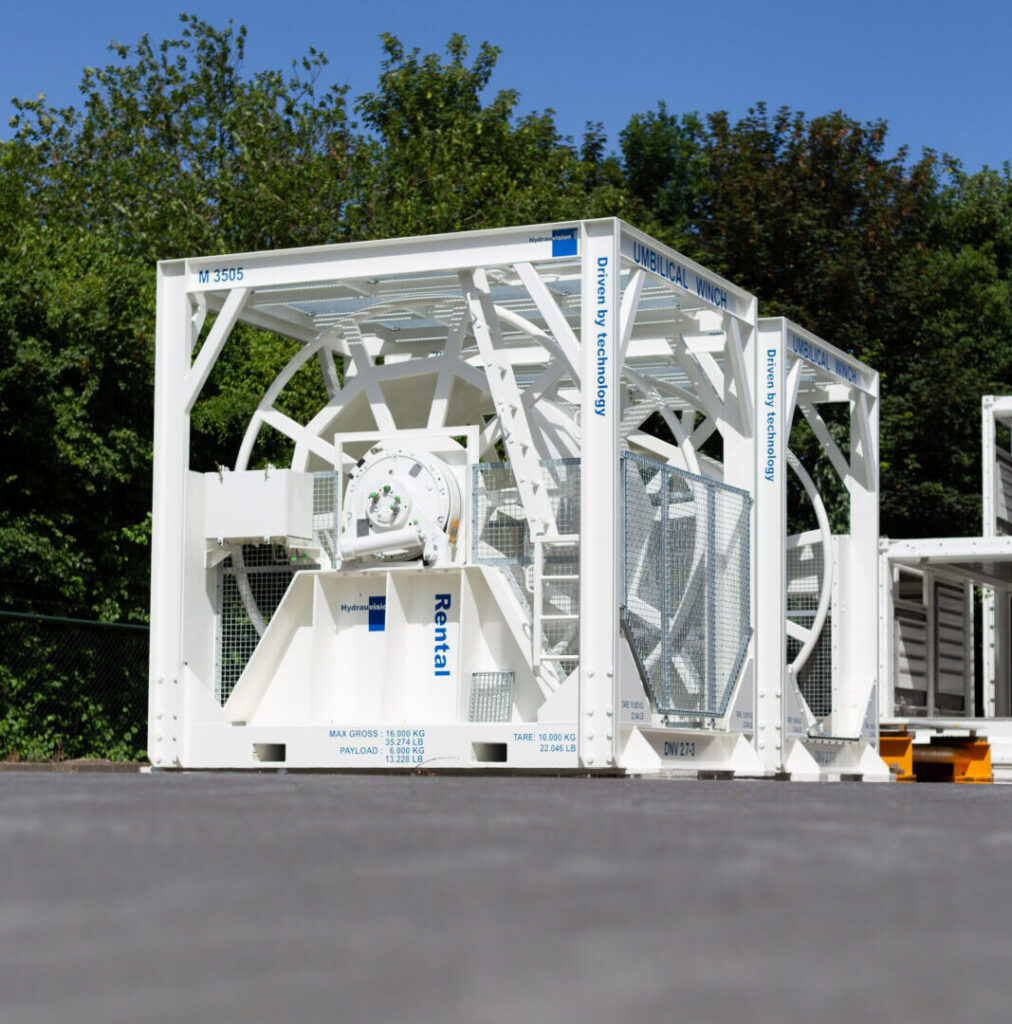
Installing a hydraulic winch safely requires proper preparation, correct mechanical mounting, precise hydraulic connections, and a structured post-installation safety check. When done correctly, a hydraulic winch setup delivers reliable, high-capacity lifting and pulling performance across demanding environments. The sections below walk through each stage of the process, from first steps to final inspection.
What preparations are needed before installing a hydraulic winch?
Before you begin a hydraulic winch installation, you need to verify three things: that the mounting structure can handle the load, that the hydraulic system can supply the correct flow and pressure, and that all relevant safety documentation is in order. Skipping this preparation phase is the single most common reason installations fail or become unsafe.
Start by reviewing the winch manufacturer’s specifications. These define the minimum hydraulic flow rate, operating pressure range, maximum back pressure, and required port sizes. Compare these requirements against your power unit’s output capacity. If your hydraulic system cannot consistently deliver the specified flow and pressure, the winch will underperform or overheat under load.
Next, assess the mounting surface. Calculate the total load the winch will exert during operation, including dynamic loads caused by sudden stops or shock loading. The mounting structure must be rated well above the winch’s maximum line pull. On offshore or marine platforms, this calculation should account for vessel motion as well.
- Obtain and review the winch’s technical datasheet and installation manual
- Confirm hydraulic power unit flow and pressure ratings match winch requirements
- Inspect and load-rate the mounting surface or foundation
- Check that all lifting equipment used during installation is certified
- Ensure the work area is clear, stable, and properly lit
- Confirm that all personnel involved are briefed on the installation plan
If you are working with a rental hydraulic winch, verify that the unit has been pre-configured and tested before delivery. Rental winches from reputable suppliers arrive with certified wire already spooled and remote controls pre-fitted, which reduces on-site preparation time significantly.
How do you mount a hydraulic winch correctly?
Correct hydraulic winch mounting means securing the winch to a flat, rigid, load-rated surface using the correct fasteners, with the drum aligned precisely with the load direction. Misalignment and under-torqued fasteners are the two most frequent causes of structural failure during winch operation.
Position the winch so the wire rope exits the drum at a fleet angle no greater than what the manufacturer specifies, typically between 1.5 and 4 degrees depending on drum width. Excessive fleet angle causes uneven spooling, which damages the wire and reduces the effective line pull at the drum.
Use the correct grade and size of fasteners as specified in the installation manual. Apply the manufacturer’s recommended torque values and use locking washers or thread-locking compound where specified. On mobile or marine installations, vibration will work loose any fastener that is not properly secured.
If the winch includes a fairlead or spooling device, mount and align this component before the winch is fully bolted down. Adjusting the fairlead position after the winch is fixed is far more difficult and often leads to compromised alignments that cause wire wear.
Tell us what you need and request a quote for HydrauPack, HydrauWinch, HydrauSupport or another rental solution.
How do you connect a hydraulic winch to the hydraulic system?
Connecting a hydraulic winch to the hydraulic system involves linking the pressure and return ports to the power unit using correctly rated hoses or hard pipe, installing a dedicated directional control valve, and setting the system relief valve to the winch’s rated operating pressure. Every connection point must be leak-free before the system is pressurized.
Use hydraulic hoses or pipe with a pressure rating that exceeds the system’s maximum relief pressure. For most industrial and offshore winch applications, this means working with hoses rated to at least 1.5 times the maximum operating pressure. Always use the correct fittings for the port type, whether that is BSP, NPT, or SAE, and never mix thread standards.
Install a directional control valve sized for the required flow rate. Undersized valves create excessive pressure drop, which reduces the torque available at the winch motor and generates heat. The valve should include a load-holding function if the winch will be used for vertical lifting, preventing uncontrolled lowering in the event of a hose failure.
- Connect the pressure port (P) and return port (T) in the correct orientation
- Install a case drain line if the winch motor requires one, routed directly to the tank
- Fit a suction strainer and return line filter if not already present in the circuit
- Set the system relief valve to the winch manufacturer’s specified pressure
- Bleed air from the circuit before applying load
- Check all connections for leaks at low pressure before running under load
The case drain line deserves particular attention. Many hydraulic winch motors require a separate low-pressure drain line returned directly to the tank. Routing this line through the return line or back-pressure-generating components can destroy the motor shaft seal within hours of operation.
What are the most common hydraulic winch installation mistakes?
The most common hydraulic winch installation mistakes are incorrect relief valve settings, reversed hydraulic connections, inadequate mounting structure, missing case drain lines, and wrong wire rope spooling direction. Each of these errors can cause immediate damage, premature failure, or a safety incident.
Setting the relief valve too high is a particularly damaging mistake. Operators sometimes increase pressure to compensate for a winch that is struggling to reach its rated line pull, not realizing the real cause is insufficient flow or a mechanical fault. Overpressure damages seals, hoses, and the winch motor itself.
Reversed connections are more common than they should be. Connecting pressure to the return port, or running the motor in the wrong direction, can damage internal components immediately. Always verify rotation direction at low pressure with no load on the wire before running the winch under working conditions.
Spooling the wire rope in the wrong direction is another frequent error. The rope must spool onto the drum in the direction that keeps it under tension from the load. Spooling in the wrong direction causes the rope to unwind under load rather than hold it, which is a serious safety risk.
What safety checks must be done after installing a hydraulic winch?
After completing a hydraulic winch installation, you must perform a no-load functional test, check all hydraulic connections for leaks under pressure, verify the brake and load-holding function, confirm remote control operation, and conduct a proof load test before putting the winch into service. No winch should handle a working load before these checks are complete.
Begin with a visual inspection of all connections, fasteners, and the condition of the wire rope. Then run the winch through its full range of motion, both haul-in and pay-out, with no load on the line. Listen for unusual noises from the motor or gearbox and monitor the hydraulic system for pressure fluctuations that indicate air in the circuit or an undersized valve.
- Inspect all hydraulic connections for leaks at operating pressure
- Test the brake by applying load and confirming the winch holds position with the control valve in neutral
- Verify that the emergency stop and overload protection functions work correctly
- Test wired and wireless remote controls across their full operating range
- Conduct a proof load test at a defined percentage of the rated line pull
- Document all test results and retain records for compliance purposes
The proof load test is not optional for lifting applications. Regulatory frameworks in the offshore and maritime sectors, as well as general industrial lifting standards, require documented proof load testing before a winch enters service. The test load and method depend on the applicable standard for your industry and region.
When should a hydraulic winch installation be done by a specialist?
A hydraulic winch installation should be handled by a specialist whenever the application involves offshore or marine environments, vertical lifting of personnel or heavy loads, complex hydraulic circuits with features such as Active Heave Compensation or Constant Tensioning, or when local regulations require certified installation and commissioning. In these cases, the risks of an incorrect installation are too significant to manage without dedicated expertise.
For standard industrial applications with straightforward hydraulic circuits, a competent hydraulic engineer with the manufacturer’s documentation can complete the installation safely. However, the threshold for involving a specialist is lower than many assume. If you are uncertain about the structural load path, the hydraulic circuit design, or the applicable safety standards, bring in qualified support before proceeding.
Offshore and maritime installations carry additional complexity. DNV-certified equipment, 24/7 operational demands, and the consequences of failure in a marine environment all raise the stakes considerably. In these contexts, installation by offshore-certified mechanics who know the specific equipment is the standard approach, not the exception.
How we support safe hydraulic winch installation and commissioning
We provide complete support throughout the entire installation process, from pre-project consultation to on-site commissioning and post-installation testing. Our team works with clients across offshore, maritime, industrial, and infrastructure sectors to ensure every winch installation meets both technical and safety requirements. Here is what we offer:
- Pre-configured rental winches ranging from 10 to 80 tons, tested and set up in our workshop before delivery
- Certified wire rope, pre-spooled with correct pre-tension, so the winch arrives ready for installation
- Wired and wireless remote controls fitted and tested, including advanced functions such as synchronization, Constant Tensioning, and Active Heave Compensation
- DNV 2.7-certified offshore frames for marine and offshore deployments
- 24/7 mobilization and commissioning by offshore-certified mechanics with direct knowledge of the rental fleet
- On-site installation support for both rental and custom-built hydraulic winch systems
Whether you need a winch for a short-term project or a permanently installed system for a demanding application, we can help you get it right from the first day of operation. Contact us to discuss your project and find out how we can support your installation.